January 07, 2026 • 9 min read

January 07, 2026 • 9 min read
You're scrolling through Facebook at 2 AM, and suddenly you see it—your competitor's ad. It's everywhere. The messaging is sharp, the creative is stunning, and judging by how often it appears, they're spending serious money on it.
Your first thought? "Why didn't we think of that?"
Your second thought? "I wonder what else they're running..."
Here's the thing: Your competitors are leaving breadcrumbs all over the internet. Every ad they run, every campaign they launch, and every dollar they spend is visible if you know where to look. And the best part? It's completely legal.
In this guide, you'll learn exactly where to find competitor ads, which tools to use (free and paid), and how to turn those insights into winning campaigns for your business.
Before diving into the tools, understand what competitor ad research gives you:
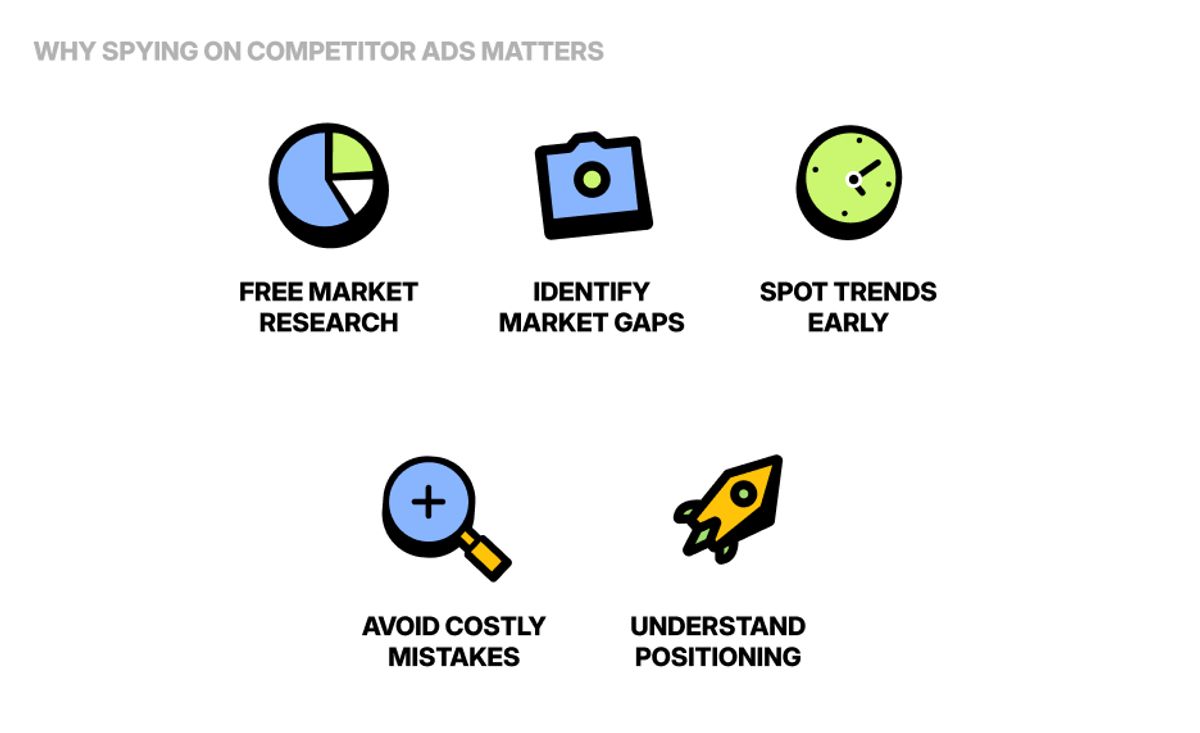
• Free market research - Your competitors are testing headlines, visuals, and offers. When you analyze their ads, you're getting insights into what works without spending money on testing.
• Identify market gaps - Discover opportunities your competitors haven't addressed. Maybe they're all focusing on one benefit while ignoring another equally important one.
• Spot trends early - If multiple competitors start using a particular ad format or messaging, it's probably working. You can adapt quickly instead of being late.
• Avoid costly mistakes - Not every competitor ad is a winner. By seeing which ads they stop running quickly, you can avoid similar approaches.
• Understand positioning - See how competitors frame offers, what discounts they promote, and how they position themselves.
Why Spying on Competitor Ads Matters
Best for: Quick competitor research on social media
Platforms: Facebook, Instagram, Messenger
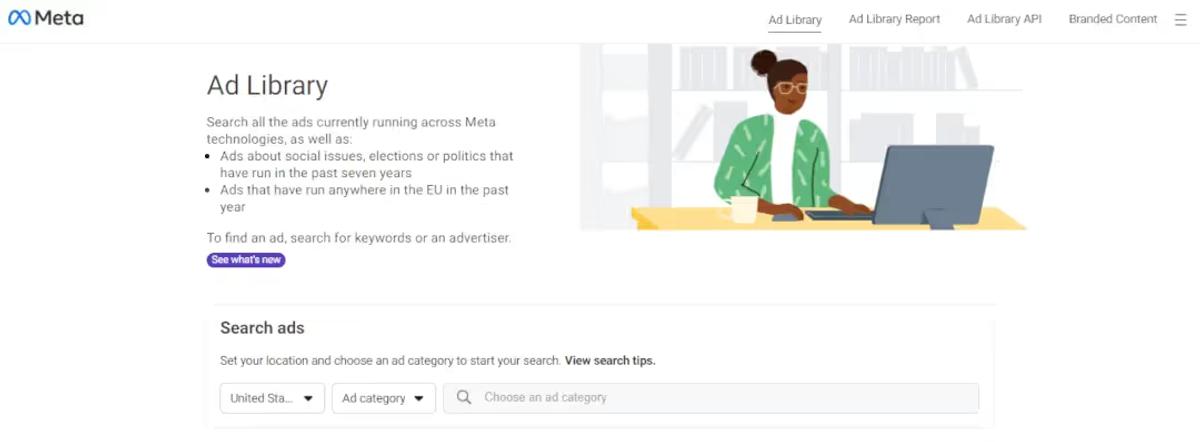
The Meta Ad Library is your first stop. It shows every active ad any company is running across Meta platform
1. Visit facebook.com/ads/library
Meta Ad Libary
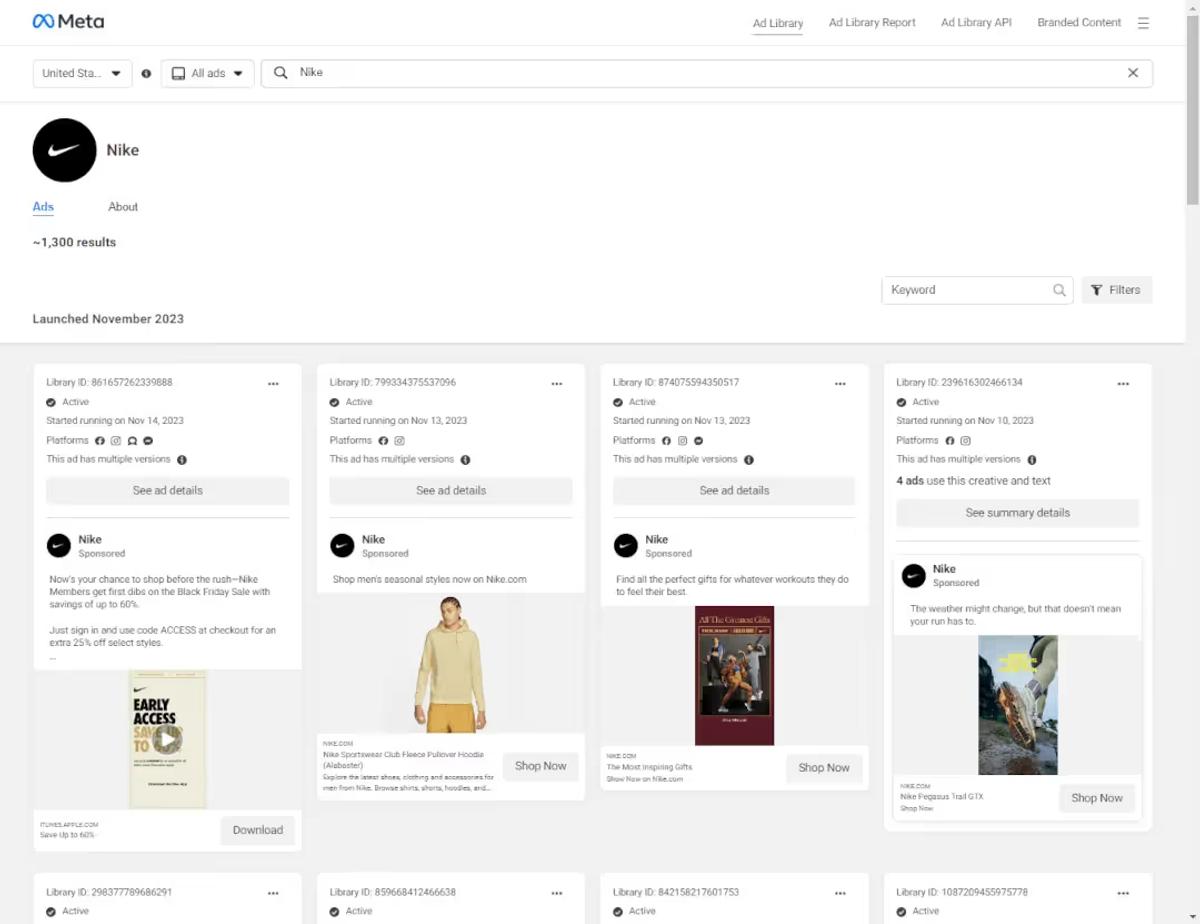
2. Search for your competitor's brand name
Search for competitors in Meta Ad Library
3. Filter by country and ad type
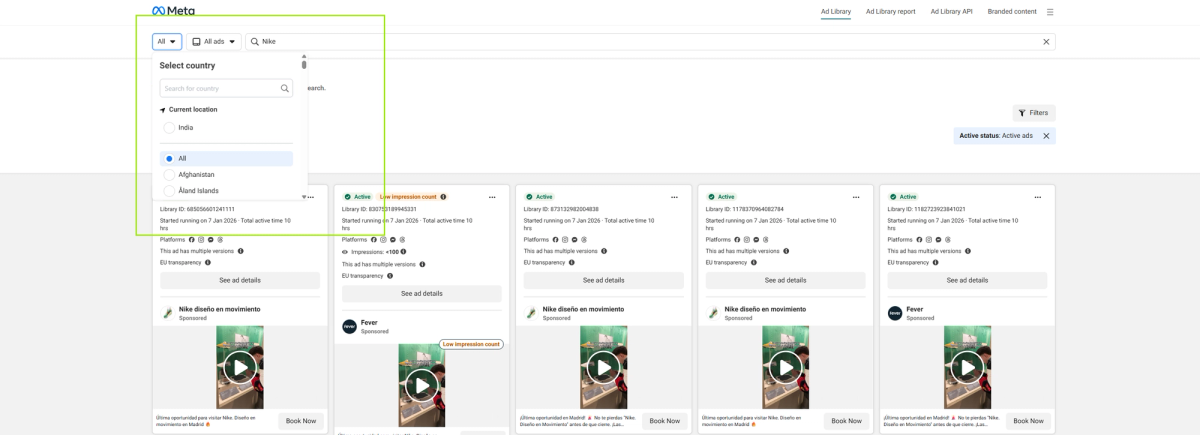
Filter by country and ad types
4. Browse all their active ads
What you'll see:
• Ad creative (images, videos, carousels)
• Ad copy and headlines
• When the ad started running
• Multiple ad variations
Pro tip: Ads running for 3+ months are likely performing well. If competitors keep running the same ad, it's making money.
Best for: Understanding competitor PPC strategy
Platforms: Google Search, Display, YouTube
Google's transparency tool shows search ads, display banners, and video ads.
What to analyze:
• Exact ad copy (reveals keyword targeting)
• Display ad designs and formats
• YouTube ad strategies
• First seen/last seen dates
Best practice: Check weekly—Google Ads change frequently. Look for patterns in which keywords they bid on based on ad copy.
Best for: Finding viral ad formats and trends
Platform: TikTok
TikTok offers the best free performance data of any platform.
Key features:
• Browse top ads by industry and region
• See actual CTR and conversion rates
• Discover trending hashtags and songs
• Filter by campaign objective
TikTok insight: Ads that look like organic content perform 45% better than polished studio ads.
Best for: B2B advertising research
Platform: LinkedIn
Unique feature: Shows targeting parameters and impression counts—rare performance metrics that other platforms don't share publicly.
What you can see:
• Job titles and seniorities targeted
• Lead gen form usage
• Total impressions served
• B2B messaging angles
Limitation: Only shows ads from June 2023 onwards.
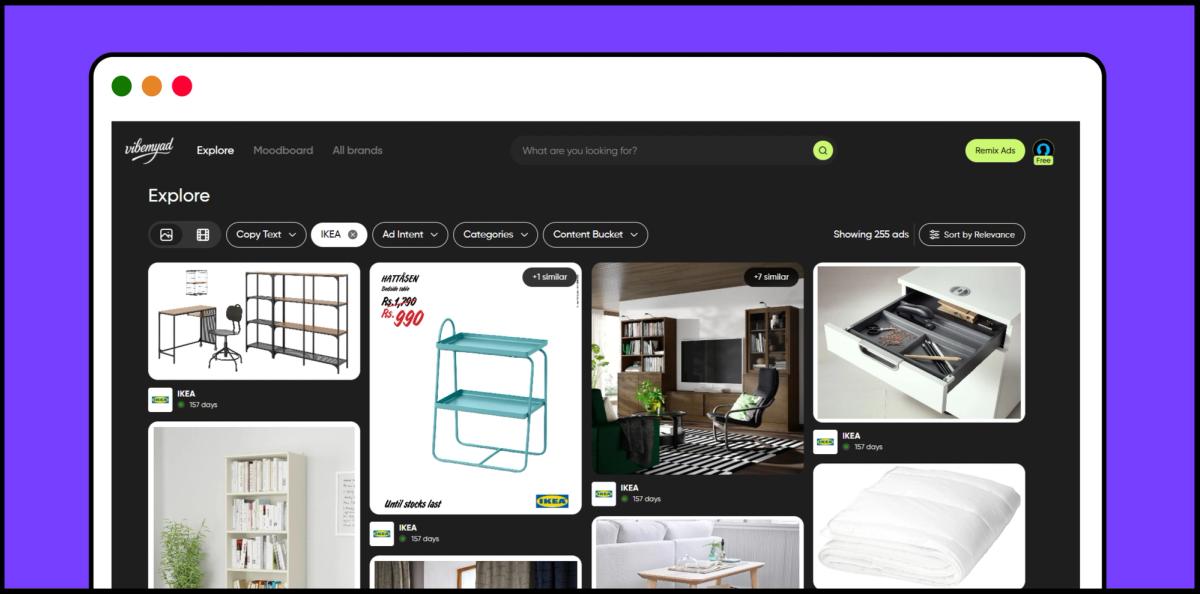
Vibemyad Ad Library
Price: $49/month
Best for: Small businesses and marketers needing both research and creation
Full disclosure: This is our tool, but we're including it because it offers the best value—combining competitor research with AI ad creation.
Key features:
• Deep ad analysis (auto-categorizes by content type, funnel stage, intent)
• Brand comparison (compare your ads vs. competitors side-by-side)
• AI ad creation (generate ads in under 60 seconds)
• Beautiful, easy-to-navigate interface
Why it stands out: Most tools either help you spy OR create ads—not both. Vibemyad does both at the most affordable price.
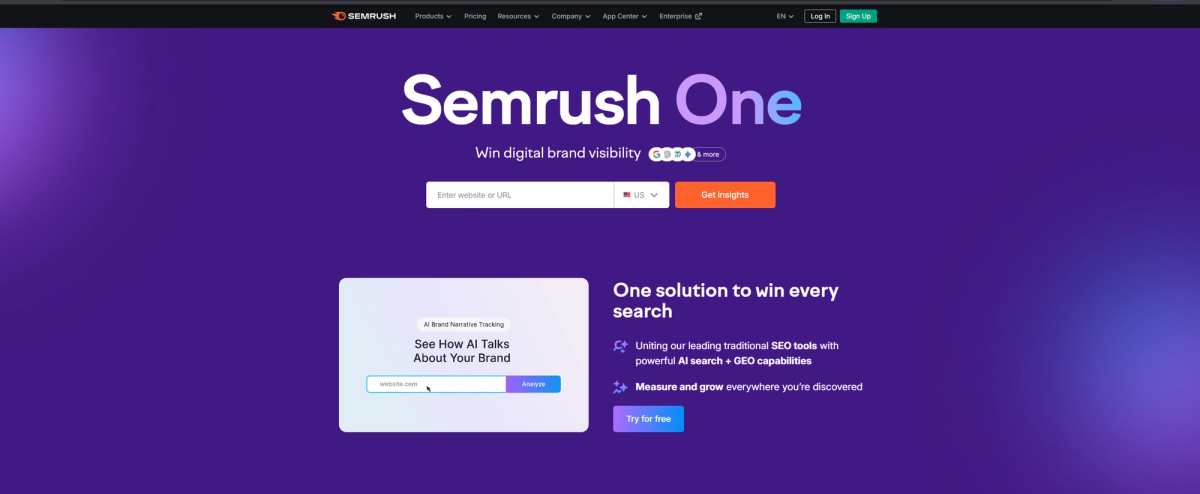
Semrush
Price: $129.95/month
Best for: Large teams, agencies, enterprise
Strengths:
• Comprehensive PPC competitor analysis
• Historical Google Ads data (years of history)
• Keyword gap analysis
• Display advertising reports
• Estimated ad spend tracking
Best for: Established businesses with serious competitive intelligence needs and bigger budgets.
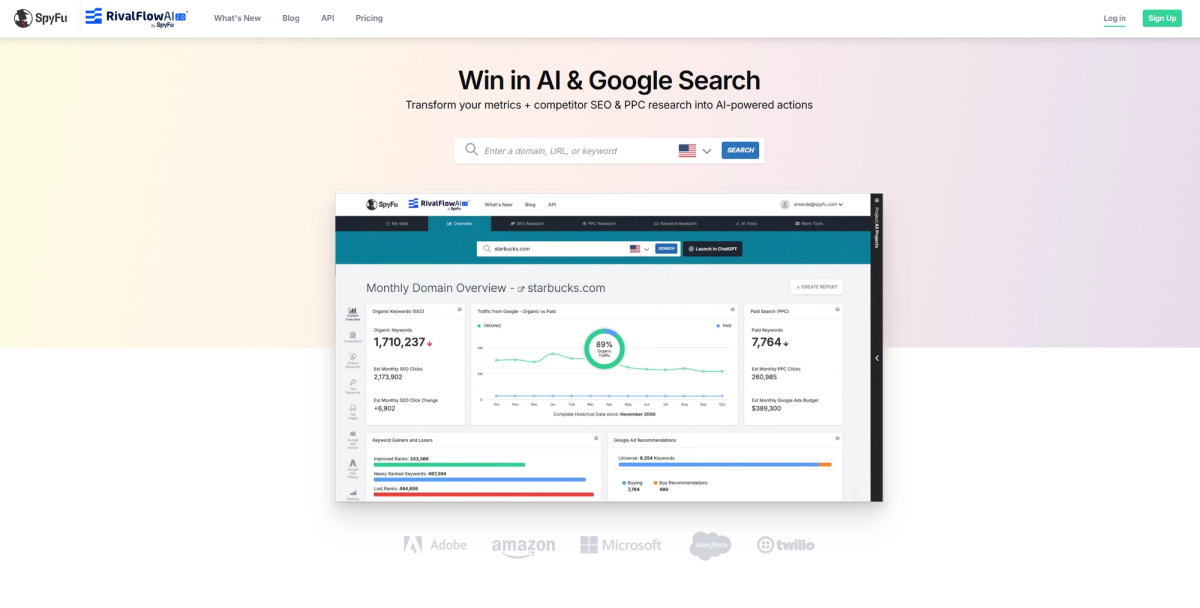
SpyFu
Price: $39/month
Best for: PPC specialists focused on Google
Unique advantage: 15+ years of historical Google Ads data. See every keyword competitors have ever bid on, including ones they stopped (which often means they didn't convert).
Limitation: Google Ads only—no social media coverage.
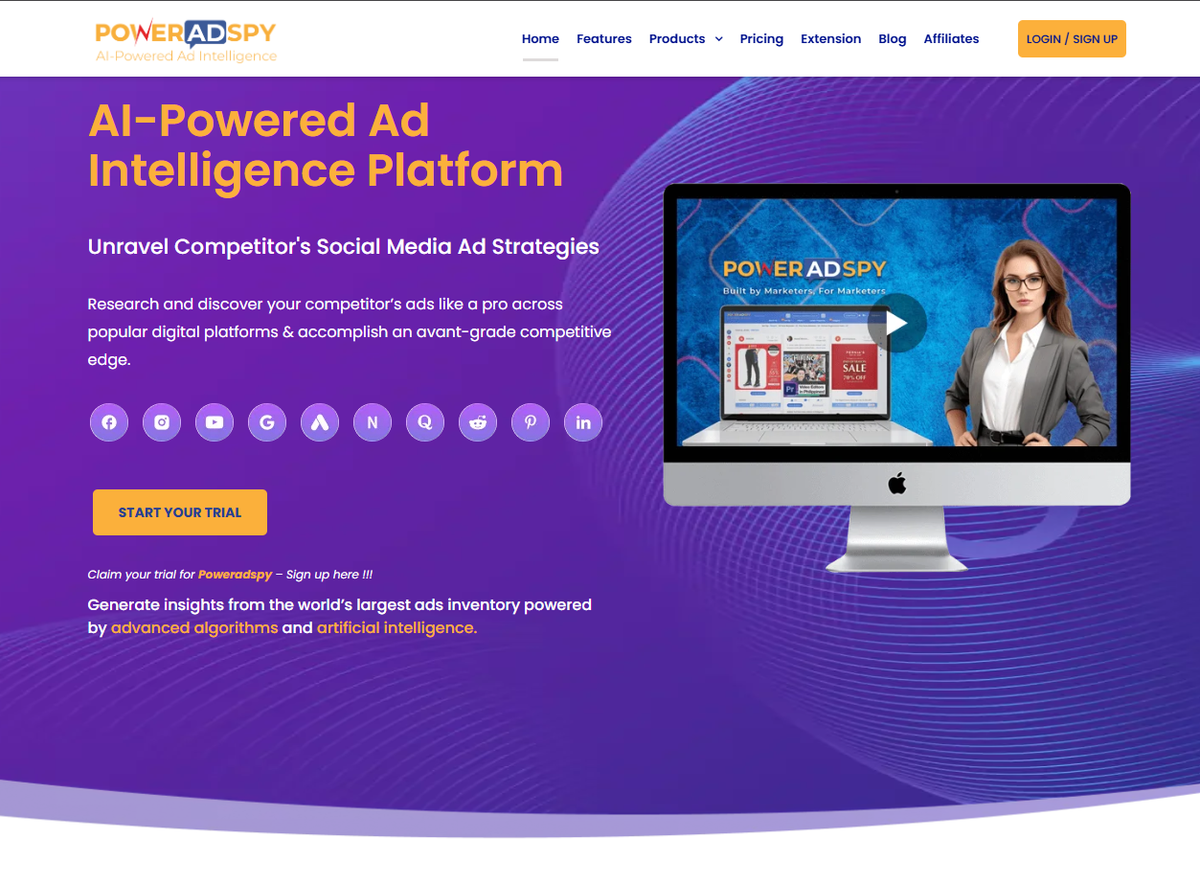
Poweradspy
Price: $49/month
Best for: E-commerce, dropshippers, affiliate marketers
Strengths:
• Massive ad database (millions of ads)
• Filter by engagement (likes, shares, comments)
• Landing page analysis
• Social engagement metrics
Why e-commerce loves it: Find winning product ads by filtering for high engagement.
Winner indicator: Running for 3+ months = proven performer
Testing phase: 2-4 weeks = still evaluating
Flop: Disappears within 1-2 weeks = didn't work
Create a simple tracking sheet:
Look for patterns in successful ads:
Headline patterns:
• Question-based: "Tired of [problem]?"
• Benefit-driven: "Get [benefit] in [timeframe]"
• Curiosity: "The secret to [outcome]"
Value proposition: What's the main benefit? How is it framed?
Social proof: Testimonials, user numbers, ratings, awards
Urgency triggers: Limited time, scarcity, FOMO
What to note:
• Visual hierarchy (what catches your eye first?)
• Color psychology and emotion
• Imagery choices (product vs. lifestyle vs. testimonial)
• Text overlay placement and readability
• Branding (subtle or prominent)
Pro tip: Screenshot and annotate ads. Build a swipe file organized by what works.
Where does each ad fit in the funnel?
Top-of-funnel (Awareness):
• Broad pain points
• Educational content
• Soft CTAs: "Learn More"
Middle-of-funnel (Consideration):
• Compare solutions
• Specific benefits
• CTAs: "See How It Works"
Bottom-of-funnel (Conversion):
• Offers and deals
• Strong urgency
• Hard CTAs: "Start Free Trial"
Document when competitors increase ad activity:
• Black Friday/Cyber Monday strategy
• Industry events and conferences
• Product launch cycles
• Quarterly business cycles
Create a 12-month competitive calendar showing when each competitor typically ramps up advertising.
Primary tool: Meta Ad Library
What to track:
• Ads running 3+ months (winners)
• Multiple variations (active testing)
• Creative formats trending
• Seasonal campaign timing
Advanced tactic: Check inactive ads to see what they stopped running (and why they might have failed).
Primary tools: Google Transparency Center, Semrush, SpyFu
Focus on:
• Search ad copy (reveals keyword targeting)
• Which competitors bid on your brand name
• Display ad creative and placements
• Landing page strategies
Pro tip: Use Semrush or SpyFu to see exact keywords competitors bid on historically.
Primary tool: LinkedIn Ad Library
B2B insights:
• Lead gen forms work 4x better than website conversions on LinkedIn
• Document ads (native PDF viewers) get high engagement
• Thought leadership outperforms direct sales pitches
Targeting clues: Job titles and industries mentioned in ad copy reveal who they're targeting.
Primary tool: TikTok Creative Center
Key insights:
• First 3 seconds are critical for hooks
• User-generated content style outperforms polished ads
• Trending audio can increase engagement 2-3x
• Vertical video (9:16) is non-negotiable
Unique advantage: TikTok shows actual CTR and CVR for top ads—performance data other platforms don't provide publicly.\
Spying on competitors is legal
Here's what you need to know:
• Viewing ads on public platforms
• Using official ad libraries
• Analyzing marketing strategies
• Taking screenshots for internal use
• Using ad intelligence tools
• Hacking competitor accounts
• Directly copying ad creative (copyright infringement)
• Using competitor trademarks misleadingly
• Accessing private data or confidential information
Golden rule: Focus on learning and adapting, not copying. Create original content inspired by successful strategies.
Don't just analyze ads—follow through to landing pages:
• Use BuiltWith to see technologies used
• Check page speed with Google PageSpeed Insights
• Analyze conversion funnel (how many steps from click to purchase?)
• Document trust signals (testimonials, guarantees, badges)
Use Semrush or SpyFu to see:
• Which keywords competitors bid on
• Keywords with high CPC (expensive = valuable)
• Keywords they've stopped bidding on (why?)
• Seasonal keyword patterns
While exact spend is rarely public, you can estimate:
Signals of high spend:
• See ads constantly across platforms
• Multiple countries and languages
• Long-running campaigns
• Hiring PPC specialists on LinkedIn
Finding and analyzing competitor ads gives you free market research—insights into what your audience responds to without spending thousands testing.
But the companies that win aren't those who spy the best—they're the ones who learn fastest and execute better.
Today (15 minutes):
• Visit Meta Ad Library
• Search your top 3 competitors
• Screenshot 10 compelling ads
This Week (1 hour):
• Set up tracking system (Google Sheet or Notion)
• Check Google Ads Transparency Center
• Add calendar reminders for weekly monitoring
This Month (2-3 hours):
• Analyze patterns across competitor ads
• Identify 3 insights to apply
• Create test campaigns based on learnings
Ongoing (30 min/week):
• Weekly monitoring and updates
• Monthly deep dives
• Quarterly strategy adjustments
If you want to combine competitor research with AI-powered ad creation, try Vibemyad free for 7 days. At $49/month, you get deep analysis features plus the ability to generate high-converting ads in under 60 seconds.
Most tools help you spy OR create—Vibemyad does both.
The ads your competitors are running right now contain clues to what your audience wants. You just need to know where to look.
Now you do.
Start today. Your competitors certainly are.
Get notified when new insights, case studies, and trends go live — no clutter, just creativity.
Table of Contents


Rahul Mondal
Product, Design and Co-founder, Vibemyad

Rahul Mondal
Product, Design and Co-founder, Vibemyad


Arpita Mahato
Content Writer, Vibemyad