
February 18, 2026 • 6 min read

February 18, 2026 • 6 min read
What happens when one of Hollywood’s most polarizing personas launches a non-alcoholic beer brand in a category dominated by moderation messaging?
Most would expect contradiction. Instead, Wild AF engineered narrative differentiation so precise that it converted cultural volatility into strategic brand equity, redefining how celebrity beverage brands compete in maturing markets.
In 2017, Pepsi released a campaign featuring Kendall Jenner joining a protest and diffusing tension by handing a police officer a can of Pepsi. The ad attempted to mirror contemporary social justice movements, but instead trivialized them — particularly in the context of Black Lives Matter.
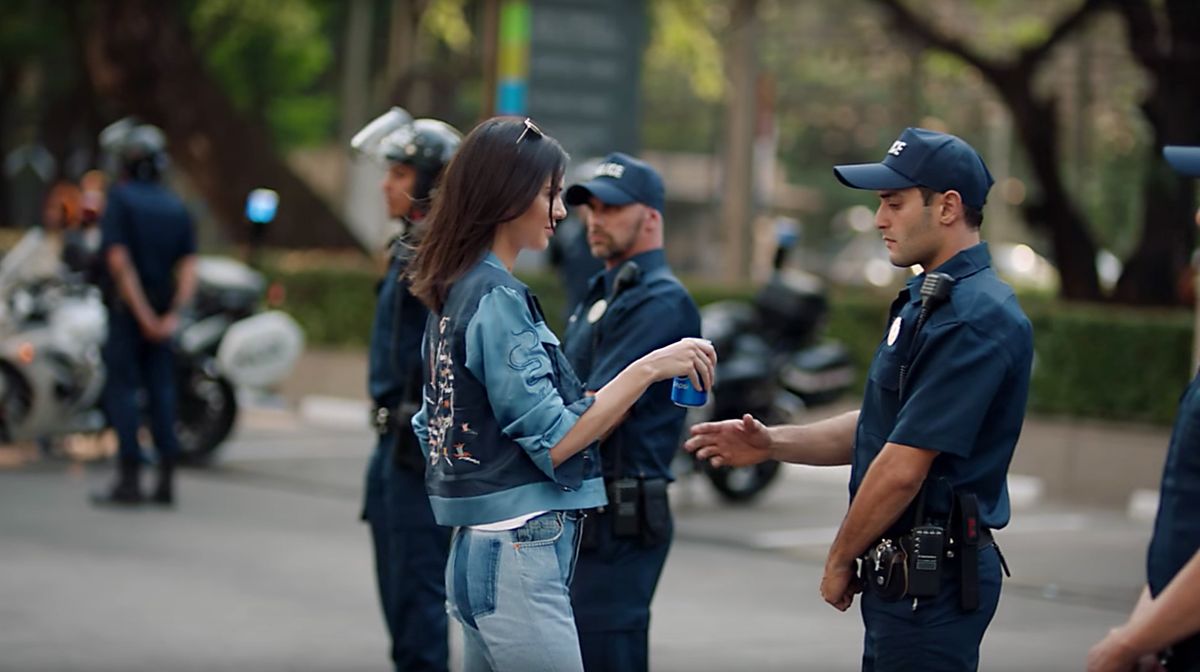
Kendall and Pepsi Controversy
The backlash was immediate. Critics labeled the campaign “tone-deaf,” “corporate cosplay,” and “offensive.” Within 24 hours, Pepsi pulled the ad and issued a public apology. The campaign became a widely cited case study in how misreading cultural sentiment can turn celebrity visibility into reputational liability. This is the structural risk of celebrity marketing.
Most celebrity beverage brands, including many celebrity-endorsed brands, fail within three years. Not because they lack awareness, but because they lack narrative coherence.
Wild AF avoided that trap by entering the non-alcoholic beer category at a structural inflection point: global demand was accelerating while brand messaging was converging.
The non-alcoholic beer market has grown at sustained double-digit rates, driven by alcohol moderation trends and the sober-curious movement.
According to IWSR Drinks Market Analysis, the no- and low-alcohol segment continues expanding across major global markets. Statista likewise projects steady growth in non-alcoholic beer consumption as health-conscious behavior accelerates across Europe and the Asia Pacific.
IndustryARC reports Europe held 45.2% share in 2020, while the Asia Pacific is projected to grow at a 7.85% CAGR.
This signals a critical strategic shift, when categories expand rapidly, functional differentiation compresses. That compression creates an opportunity. Not for better features, but for better meaning. This is where marketing strategy becomes decisive.
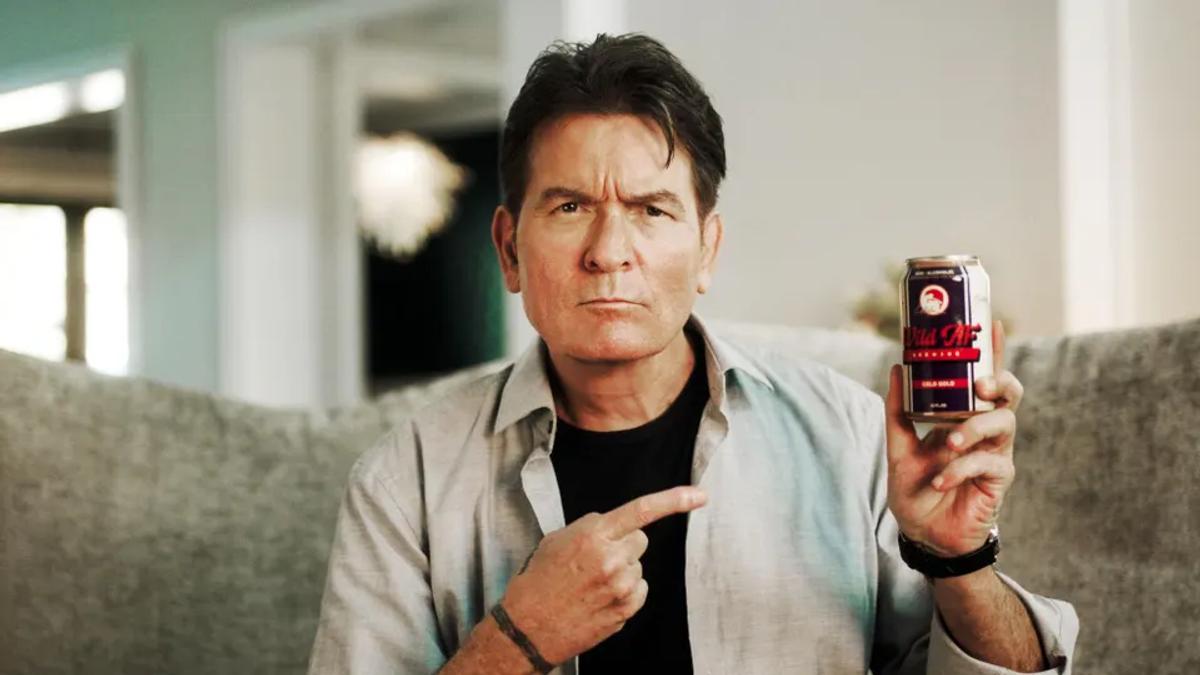
Charlie Sheen x Wild AF
The traction behind Wild AF was not celebrity reach. It was a branding strategy anchored in narrative construction. Most alcohol-free beer brands rely on defensive marketing:
• Caloric reduction
• Functional wellness
• “Just like real beer,” reassurance
• Moderation-first framing
This architecture implicitly presents non-alcoholic beer as a compromise product. It appeals to restraint rather than identity. Wild AF rejected the substitution narrative.
Instead of positioning alcohol-free consumption as a sacrifice, the brand used narrative branding to frame it as continuity and inspiration (Source).
“Wild” preserved persona equity. “AF” reframed intensity as Alcohol Free. The contradiction created cognitive friction, a well-documented driver of memorability in marketing.
From a branding strategy standpoint, this is asymmetrical differentiation: competing on interpretive meaning rather than product mechanics. Equally critical was structural credibility. Rather than licensing his name, Charlie Sheen entered as a co-founder alongside Harpoon Brewery. Ownership signals risk alignment. Endorsement signals rented equity. This distinction is where redemption marketing becomes disciplined rather than opportunistic.
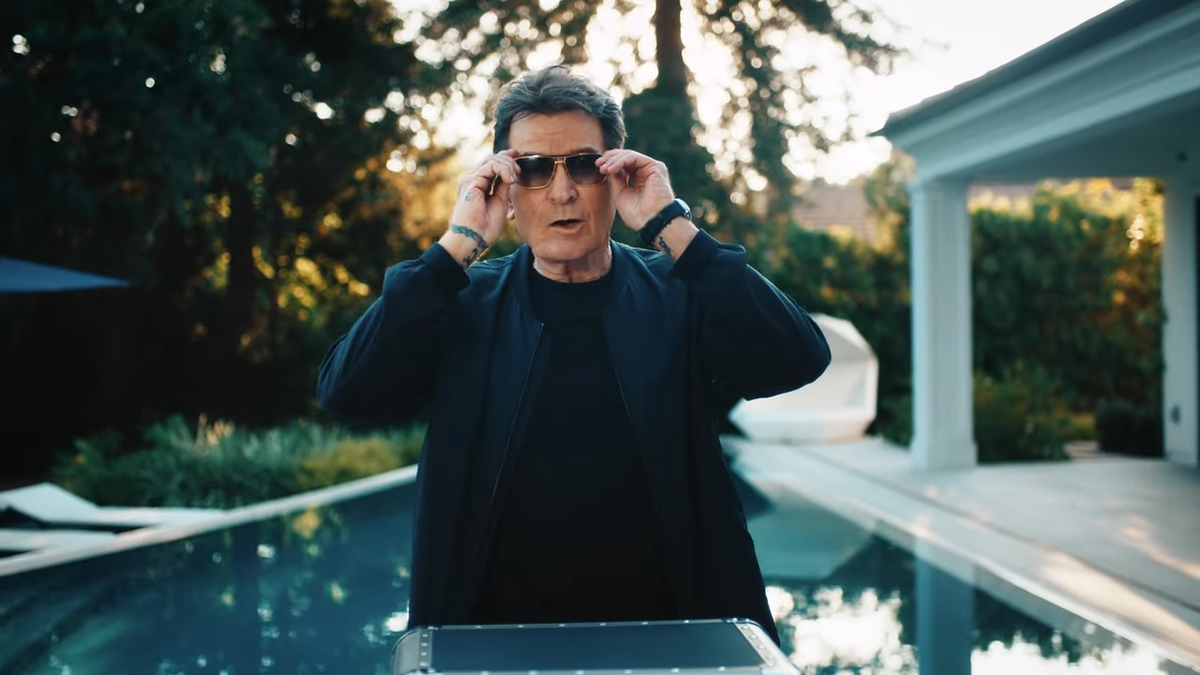
Wild AF presents 'The Case' starring Charlie Sheen
To understand why this worked, consider what I call the Identity Coherence Multiplier™: When founder persona, product category, and cultural timing align, brand memorability compounds rather than merely accumulates. Wild AF achieved alignment across three dimensions:
• Persona Evolution – Public sobriety narrative
• Category Expansion – Rapid growth in non-alcoholic beer
• Cultural Momentum – Performance-driven moderation trends
Most celebrity beverage brands activate only one dimension: fame. Wild AF activated all three, transforming attention into credibility.
As the non-alcoholic beer market matured, formulation gaps narrowed and messaging standardized. Most brands now compete on:
• Brewing authenticity
• Taste parity
• Low-calorie benchmarks
• Wellness-adjacent positioning
When features standardize, marketing advantage migrates from product attributes to narrative differentiation. This shift reflects a broader principle in branding strategy: in mature categories, narrative branding becomes the primary competitive lever.
Wild AF entered at precisely this stage. In interviews with Forbes, Sheen described the launch not as a comeback, but as a reset. A comeback implies repair. A reset implies agency. That semantic framing reinforced marketing coherence.
The launch synchronized with:
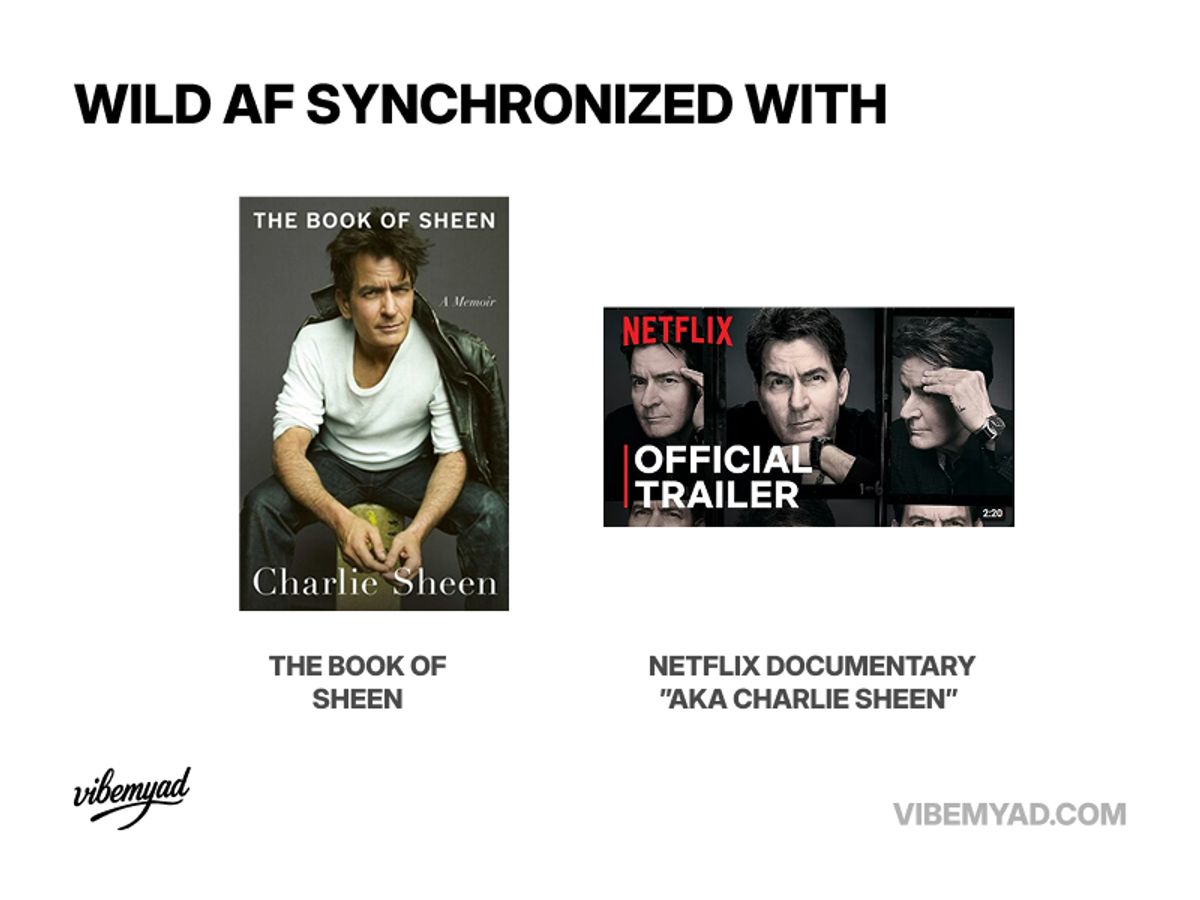
WILd AF synchronized with
• His memoir, The Book of Sheen
• A Netflix documentary release
• Renewed long-form media visibility
This created narrative density of a coordinated marketing strategy rather than a standalone product drop. Where competitors competed on reassurance, Wild AF competed on identity.
Redemption marketing is the structured reframing of past volatility into forward-facing brand equity. It is high-risk and succeeds only under strict conditions.
It works when:
• Behavioral change precedes commercialization
• Product alignment reinforces narrative evolution
• Tone remains consistent
• Cultural momentum supports the repositioning
It fails when:
• The past is sanitized instead of integrated
• Commercial intent precedes credibility
• Messaging over-indexes on apology
• The product lacks symbolic coherence
Wild AF succeeded because its branding strategy aligned persona evolution with category expansion.
Narrative Coherence: Does the founder or brand story naturally reinforce the product category? If the connection requires explanation, positioning lacks structural strength.
Cultural Timing: Is there measurable demand supporting the repositioning shift? Europe’s maturity and Asia Pacific’s projected 7.85% CAGR demonstrate that the non-alcoholic beer category is structurally expanding. Without macro alignment, even compelling narratives underperform.
Creative Contrast: Does the campaign break category conventions without destabilizing trust? Differentiation must challenge norms while preserving identity integrity.
Most marketers analyze surface-level marketing tactics like visuals, claims, and media channels. Few analyze narrative architecture across industries and time.
If you want to learn more about ‘how marketers research ad creatives in 2026’, you can also read this insightful blog.
When product features converge, meaning becomes the battlefield. Wild AF demonstrates a repeatable principle: structured tension increases memorability. Identity-based positioning outperforms functional reassurance in mature categories.
With an AI-powered creative intelligence platform like Vibemyad, you can:
• Audit your narrative positioning against category convergence.
• Detect semantic saturation before performance declines.
• Identify durable differentiation opportunities.
• Engineer scalable branding strategy frameworks aligned with cultural momentum.
Most brands react to trends. Strategic brands engineer narrative advantage before commoditization accelerates.
If you operate in a saturated category and want a structured narrative positioning audit tailored to your market, book a live demo with Vibemyad and build positioning that scales beyond product mechanics.
Get notified when new insights, case studies, and trends go live — no clutter, just creativity.
Table of Contents


Rahul Mondal
Product, Design and Co-founder, Vibemyad


Arpita Mahato
Content Writer, Vibemyad

Rahul Mondal
Product, Design and Co-founder, Vibemyad