
November 11, 2026 • 9 min read
November 11, 2026 • 9 min read
Two ads can promote the same boxed wine and still make different arguments. One uses an occasion-led opening about saving good wine for later. Another shows a freshness timeline from the first pour to a glass weeks later. The product is the same, but the customer question and supporting evidence have changed. That is the distinction a useful competitor-ad analysis should uncover.
That is the difference between saving competitor ads and actually analyzing them. A useful review identifies the customer problem, the argument, the product evidence, and what the advertiser asks the viewer to do. It also records what you do not know about the ad's results.
Below is the research method we use at Vibemyad before proposing original video-ad concepts to a client. We'll use real archived video scripts and real Vibemyad-produced creative examples, clearly labeled, rather than pretend that public ad libraries reveal sales or return on ad spend.
First, choose competing brands that sell to the same customer in the same market. Find their video ads in Meta Ad Library and, where relevant, other advertiser transparency libraries. Track and organize the references in an ad vault. For each video, record its opening hook, core message, demonstrated proof, offer, CTA and destination. Compare recurring patterns across multiple creatives, separate observations from performance guesses, and turn the findings into a shortlist of original concepts to review with the client.
If your main question is simply where to locate competitors’ static and video ads, our general competitor ad research guide covers the broader search. This article goes deeper into analyzing video creatives and using the findings to make production decisions.
A competitor list should answer a question, not fill a spreadsheet. For a US DTC product, start with the brands competing for the same buyer and buying occasion. Add a few adjacent brands only when their advertising solves a comparable customer problem.
Before looking at any footage, choose one question, such as: “How are premium beverage brands demonstrating convenience without making the product look cheap?” or “What do footwear brands show when they need to prove comfort visually?” Then the video search becomes a focused investigation.
Record market, date of review and source. A UK promotion or an outdated US seasonal offer can be useful for creative inspiration without being comparable to the campaign you are planning.
Meta Ad Library is the starting point for Facebook and Instagram video research. Choose the country you are targeting, select the appropriate ad category (usually All ads), and search the actual advertiser Page. Narrow to video creatives where the available filters allow it. Open the ad details, then note the Page, ad ID, first-seen or start date, copy, CTA and destination. The interface and available filters can change, so record the day you reviewed it.
If the brand also advertises on YouTube or other Google properties, Google Ads Transparency Center provides another source of advertiser creative. A social-video angle and a long-form YouTube advertisement are different environments; note that distinction rather than merging every video into one category.
At Vibemyad we use Ad Vault to track brands and gather the reference creatives for deeper analysis. Where a video has been processed, transcripts and scene observations can help compare what different ads actually say, but the footage itself is essential for understanding motion, framing, edit rhythm and visual proof.
For an ordinary US commercial ad, seeing the creative does not give you access to its spend, purchase volume, customer acquisition cost or ROAS. A long-running ad or a cluster of variations is an observation about what the advertiser keeps active, not proof that the campaign is profitable.
A cinematic shot may be beautiful and irrelevant to the sale. To analyze the advertising decision, watch the video twice: first normally, then pause the opening, main demonstration and final CTA. Watch the opening without sound too, because a visual hook must still register before someone reads every line of copy.
Do not use arbitrary timestamps as if every video follows the same pacing. A six-second product ad, a 20-second UGC-style demonstration and a 45-second founder story distribute the hook and proof differently. Log the *actual* beats and their approximate timing for each source video.
For writing stronger openings, see how to find Facebook ad hooks worth testing. But remember that a hook is only one part of the message, not the entire concept.
This is one of the most important checks in a competitor report. Two ads can look different and make the same selling argument. The reverse can also be true: two ads can look visually similar but address different customer problems.
These two actual Bloc Wines still creatives were produced by Vibemyad. Version A is an occasion-led creative: its hook challenges the idea that good wine needs a special event. Version B uses a day-by-day freshness timeline, with a midweek single-glass moment and a later occasion. It develops the product's freshness benefit through a different form of proof. These are examples of creative ideas, not confirmed performance results, and neither is a competitor-video frame.
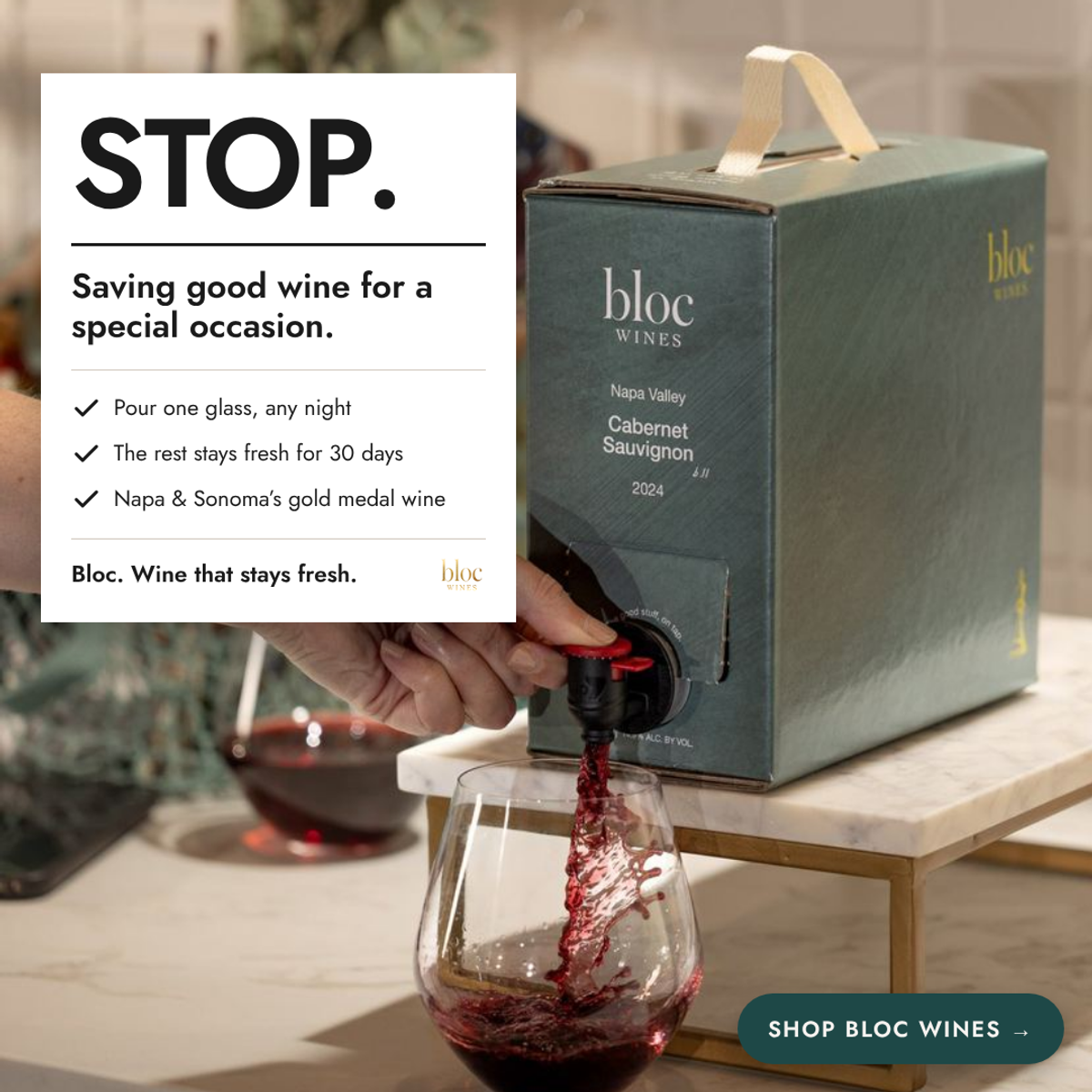
Version A: an original Vibemyad-produced Bloc Wines creative using an occasion-led opening. This example illustrates a concept; it is not evidence of advertising performance.
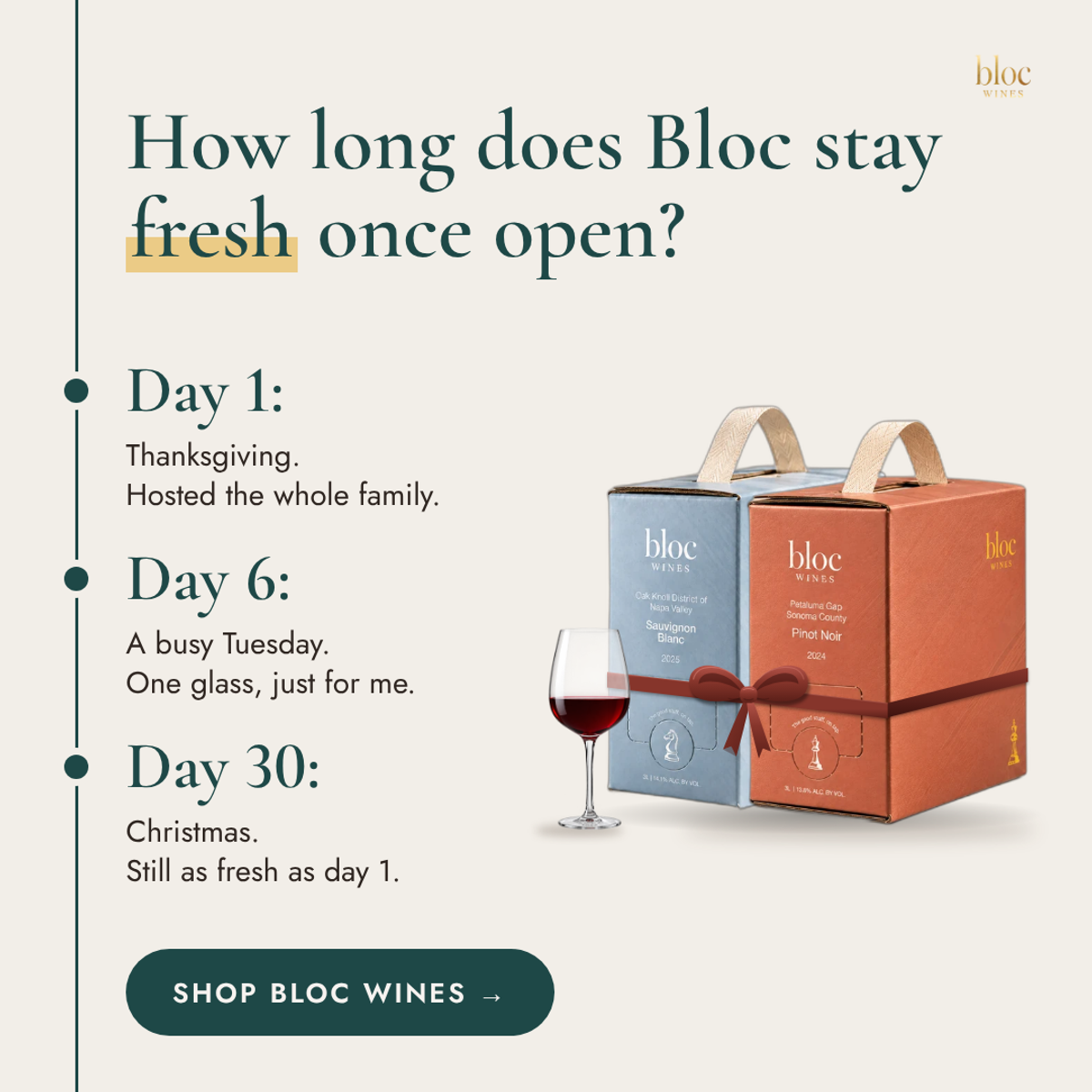
Version B: an original Vibemyad-produced freshness-timeline concept showing day 1, a midweek glass and day 30. Different buyer question and visual argument from Version A; no claim of profitable results.
The key question is what changed: just the first sentence, or the underlying buyer problem, proof and story? Version A focuses on the occasion mindset; Version B uses a time-based demonstration of freshness after opening. A new headline on an otherwise unchanged ad would be a hook variation, not a new concept. A proposed further variation for the freshness concept could open with 'One glass, no waste,' supported by the brand's accurate 30-day freshness information.
For an actual video comparison, we reviewed three archived Supply6 ad transcripts in Vibemyad's video-ad library. Supply6 is an Indian hydration brand, so the examples illustrate *creative structure*, not current US-market demand. The scripts are real indexed source material, but the transcript alone is not sufficient to evaluate camera technique or visual pacing.
This is the kind of pattern we would record: one brand is exploring several *reasons to buy*, not simply changing the first words on an otherwise identical ad. We cannot know from the archive whether any of these videos made a profit. We also would not adopt health or hydration claims from another brand without independent substantiation.
A finished visual teardown should pair each of these observations with verified clips or selected frames from the original videos. Until those frames are available for publication, this table intentionally reports only what the archived scripts support.
The report is the handoff between research and creative strategy. At Vibemyad, our report is not meant to impress the client with the largest collection of screenshots. Its purpose is to help decide which original ads to produce.
In the actual client report, each row should link back to the source ads and identify the review date. We explicitly label three things: what was observed, what we infer, and what we propose to test. If performance information comes from the client's own ad account, label that evidence separately from public competitor activity.
From this research, we usually discuss a few distinct proposals rather than dozens of lookalike hooks. A concept summary should name the customer, buying tension, central promise, proof needed, proposed opening, and desired CTA. The client should be able to reject or approve the *idea* before production costs begin. For guidance on testing the approved concepts, see our creative testing framework for D2C brands.
This is the step that an ordinary swipe-file article often leaves out. We take the research and proposed concepts to the client and ask practical questions: Which customer matters most right now? What do existing campaign results tell us? Which product claims can the brand substantiate? Which ideas actually match the offer and landing page? What would be off-brand or too similar to a competitor?
The call should end with agreed advertising directions, not instructions to copy a competitor's footage. We use the client’s own facts and first-party results to decide what to move forward with. If the evidence is weak, we say that and frame the direction as a test rather than a winner.
Only after the direction is agreed do we gather wider visual references, build a moodboard and decide the characters, product appearance, backgrounds, shots and storyboard. From there, video tools help generate individual scenes, which are checked and edited into the finished ad. That is a separate production process, not the research method this article is teaching.
Here is another original Bloc Wines creative from Vibemyad's production archive. It makes a clearer product-level argument about packaging and serving, illustrating how the subject of a brief determines what proof must be visually accurate. It is a still advertising example, not a competitor video frame.
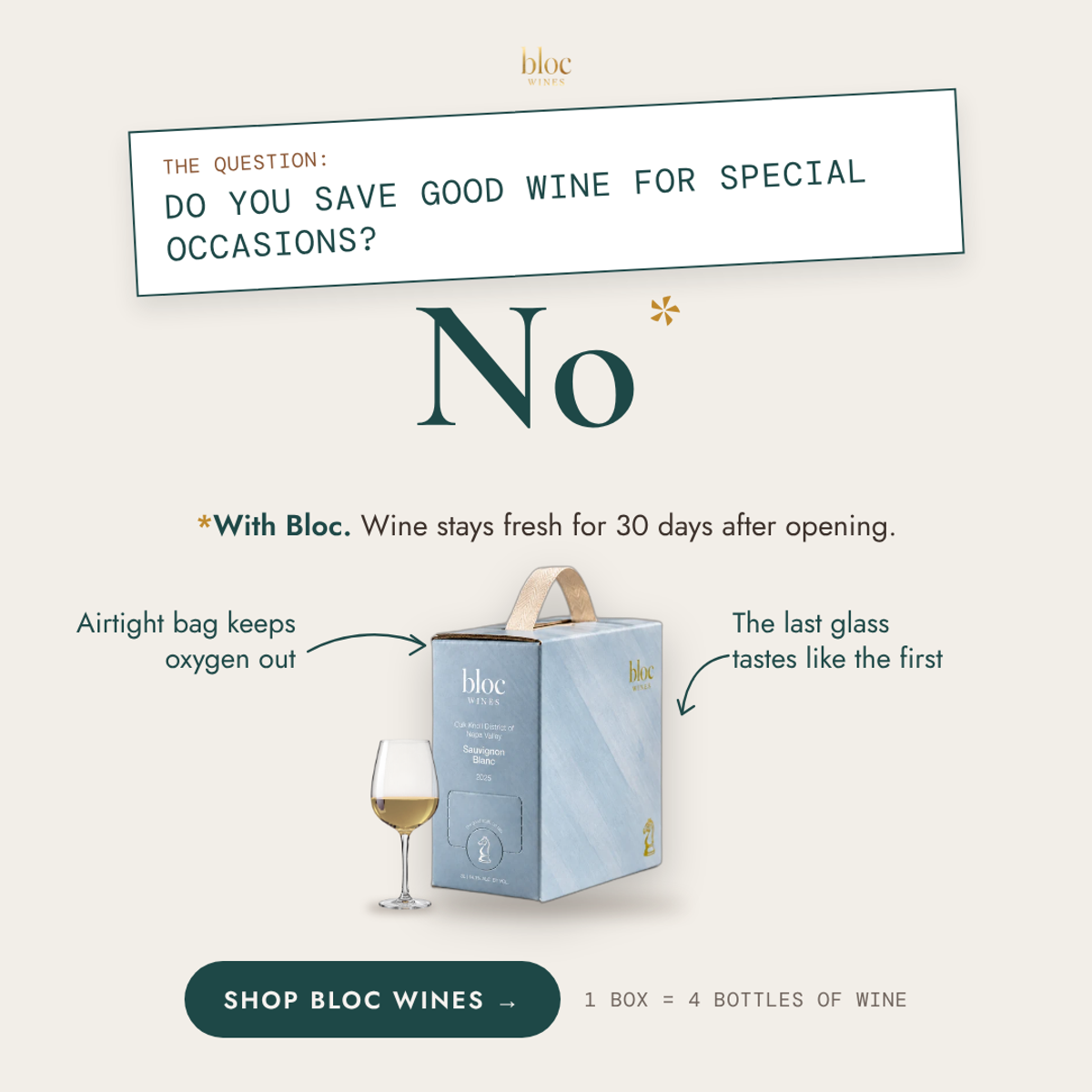
Actual Vibemyad-produced brand creative. A product claim should be reviewed against the product's substantiation before filming or publishing a video adaptation.
We also break down a number of real campaigns in our DTC video ad examples guide. When a brand is ready for research-led production, Vibemyad's AI video ads service covers the finished-film offering.
The best competitor research makes the next client call easier: it shows what competitors actually say, which patterns deserve attention, what remains unknown, and which original concepts make sense for the product. The video tools matter later. First, the team must decide what the ad should make someone believe and do.
If you need a team to take that process through the creative brief and finished production, see Vibemyad's AI video ads.
Table of Contents


