September 30, 2026 • 6 min read

September 30, 2026 • 6 min read
The Facebook ad that sells a skincare product may do very little for a furniture brand. Even two brands selling similar products can get different results from the same type of ad. Their customers, prices, offers and reasons to buy are different.
So when a D2C founder asks which ads perform best, our answer is: start with a few informed ideas, test them, and let your own sales results decide what deserves another version. A before-and-after demonstration, a feature explanation and a customer story are options to investigate. None comes with a guaranteed result.
If you want a team to handle that process, hire Vibemyad Marketing Agency. We research the category, develop ad concepts, produce the creative and manage testing. If agency support is outside your budget, the approach below gives you a practical way to start yourself.
A beauty shopper might need to see the finish on real skin. Someone buying a desk might care more about how it fits a small room. A customer comparing snacks might look for ingredients, taste or convenience.
Those differences should shape the first ideas you test. But "beauty ads need transformations" or "furniture ads need features" would be an unhelpful rule. A product demonstration could beat a testimonial for one brand and lose for another.
We would begin with customer reviews, product questions and competitor ads. Write down the reasons people buy and the doubts that stop them. Use those observations to choose your first messages.
Our competitor ad analysis guide shows how to turn real ads into an original brief. Public ads can suggest ideas; they cannot tell you another brand's profit.
These static ads come from the VMA archive. They illustrate choices you could test, not verified winners. We do not have the advertisers' sales results.
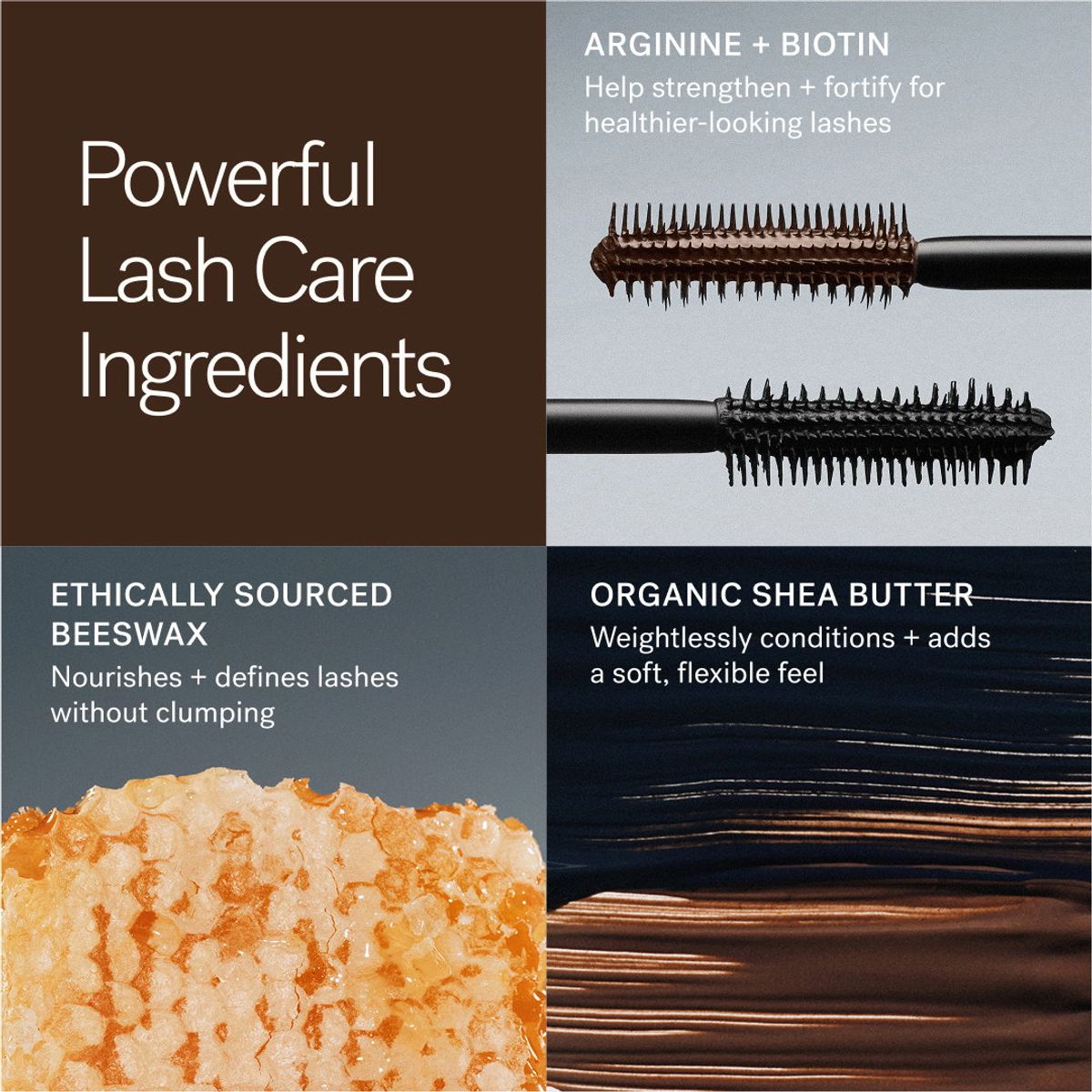
ILIA Beauty. Real static ad from the VMA archive; product claims belong to the advertiser.
ILIA connects lash-care ingredients to the benefits it advertises. The close-up brush and ingredient imagery support a message about what goes into the product. This suggests a hypothesis: ingredient explanation could persuade shoppers who want more than a photograph of the finished look.
For a beauty brand, we would compare that approach with an application demonstration using its own supported claims. The result would help decide whether this audience needs to understand the formula or see the finish. It would not establish a winner for every beauty product.
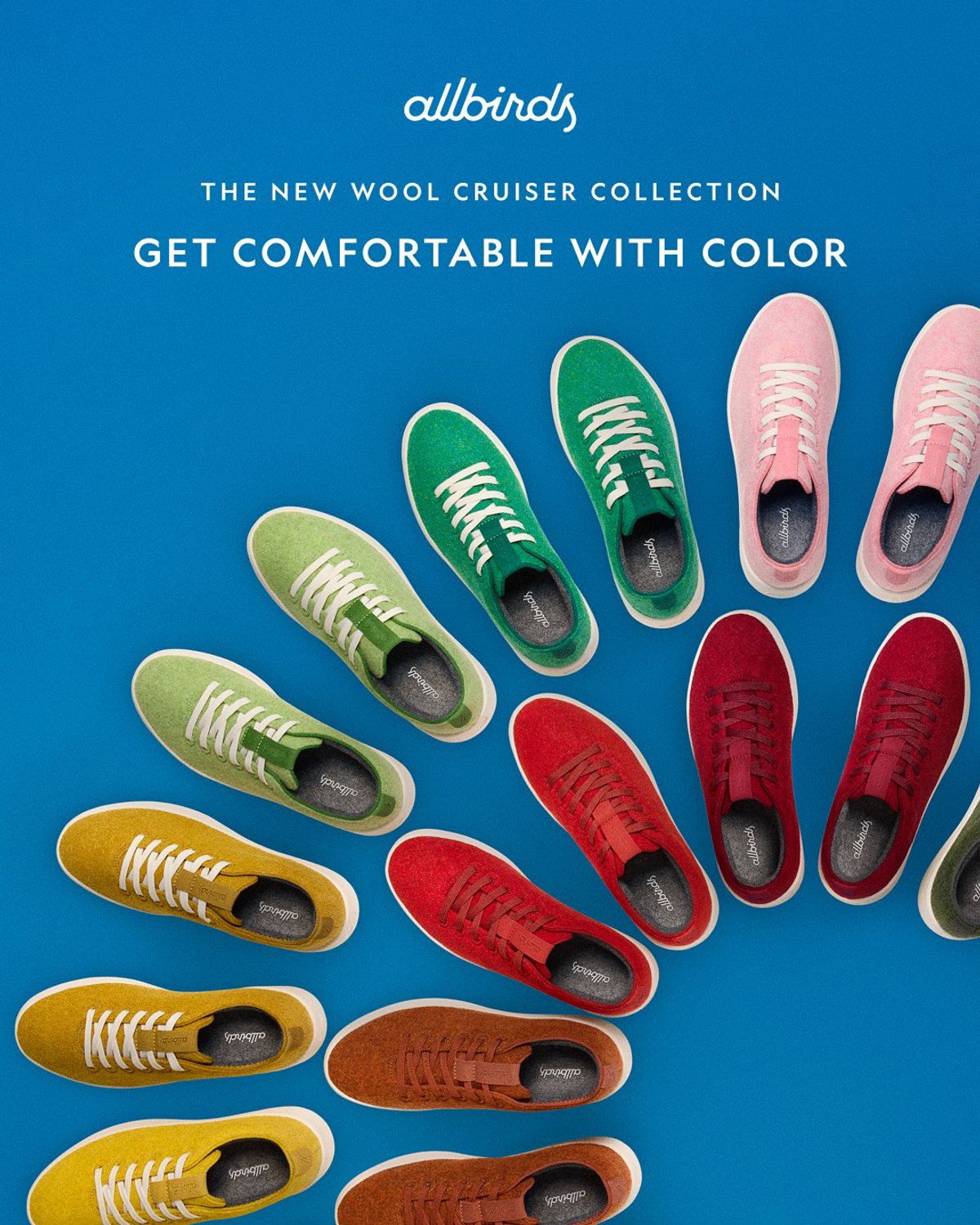
Allbirds. Real static ad from the VMA archive.
Allbirds arranges several shoe colors around a short collection message. The execution invites the shopper to choose a look. It is a different proposition from an ad focused on comfort during a long day.
For a footwear brand with both strengths, style and comfort could become separate concepts in the first test. If the comfort concept brings useful sales, the next round should explore that idea rather than merely adding more colors to the collection image.

Warby Parker. Real static ad from the VMA archive.
Warby Parker gives the frame a close view on a face. The pattern, shape and scale are visible, while the short copy introduces the color treatment. This is a style-led starting point.
An eyewear brand could compare a similar product-on-person approach with a message answering a fit concern. That comparison asks which buying reason matters to its customers. It does not assume that minimal copy works for everyone buying glasses.
Suppose you sell a commuter backpack. Here is an illustrative five-concept shortlist. Every claim would need to match the actual product.
Five versions of the same photograph with different background colors would not answer these questions. Each concept above gives someone a different reason to consider the product.
You might shortlist five or six concepts, but you do not have to launch them all together. Choose a smaller first batch if your budget cannot give every idea a meaningful opportunity. Keep the remaining concepts for later rounds.
Use our guide to how many ads to test in a first campaign to scope the set.
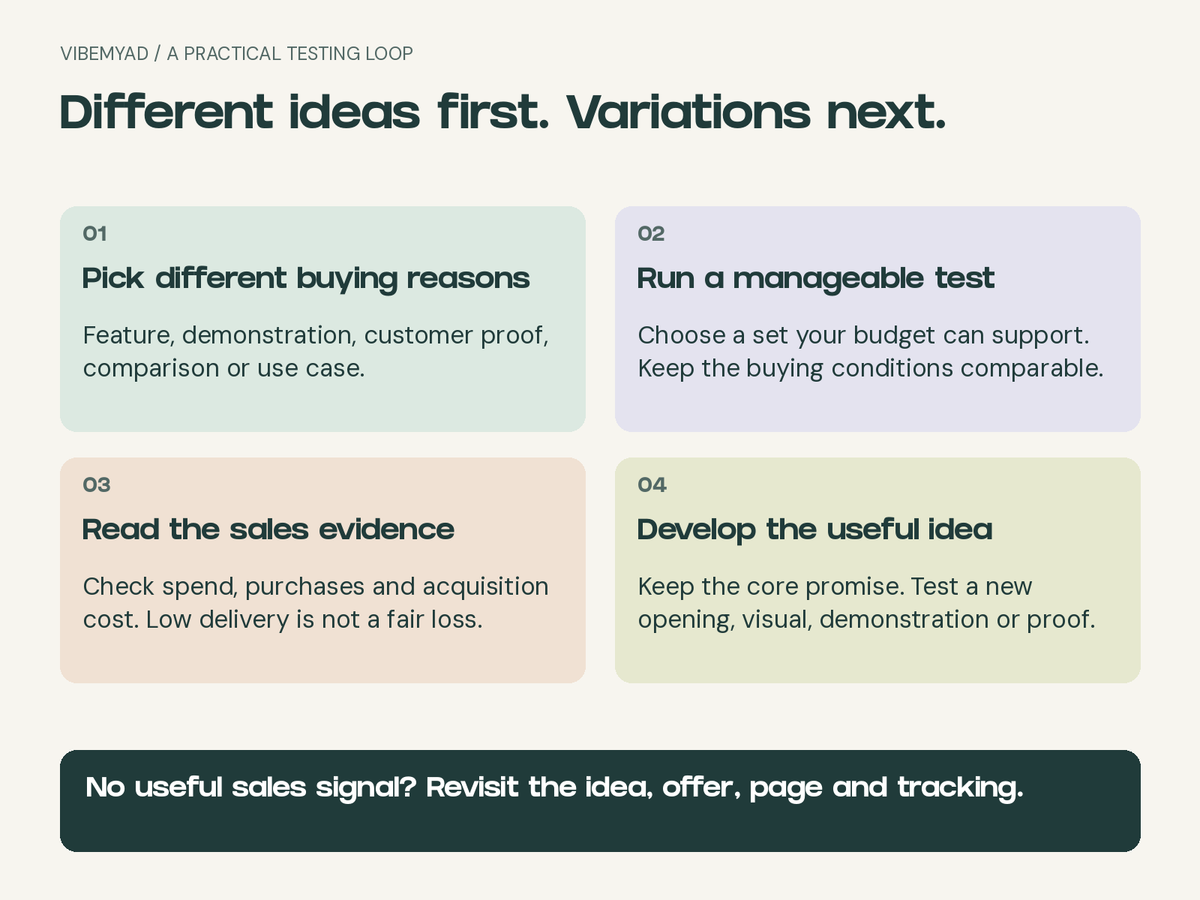
Test different ideas first, then develop variations around a promising buying reason.
For a sales campaign, write down the acquisition cost your business can support. Consider product margin, fulfillment and other variable costs. Do not choose a target just because another brand reports it.
Check that orders are being recorded correctly and that the product page, checkout and offer work. Then keep the audience setup, offer and destination comparable across the concepts where practical. Otherwise, a different discount or landing page can explain the result you attribute to the ad.
Changing the whole message and visual is reasonable when comparing concepts. Later, when you want to know whether a particular headline or image made the difference, narrow the change.
Imagine the organization concept produces repeated purchases at an acceptable acquisition cost while the others do not. That would give you a direction to develop. One isolated order would be a weaker signal.
Keep the successful version available as your reference. Create variations around the organization promise: open with someone searching for their keys, show the compartments from above, or demonstrate packing the bag before work. Keep the product and offer consistent.
You are exploring better ways to communicate a buying reason that has shown promise. Replacing it with an unrelated discount message would start a different test.
If you are unsure whether the next variation needs new words or a new image, read Meta ad copy versus visuals.
A promising concept can still weaken as spending or conditions change. Keep reviewing results and introduce fresh ideas alongside variations. Finding one useful ad does not finish the work.
Compare spend and purchase counts alongside acquisition cost. An ad that barely received delivery has not had the same opportunity as one that used most of the budget. Record it as inconclusive rather than declaring that its entire approach cannot work.
Also separate attention from buying. Clicks can help you investigate interest, but a sales campaign needs customers. If several concepts attract visitors without purchases, inspect the offer, product page, delivery charges and checkout before commissioning another batch of images.
Our guide to how long to run Meta ads before judging explains why the amount of evidence matters alongside elapsed time.
You may find one promising concept among five or six. You may find several, or none. The purpose is to learn which buying reasons deserve more investment in your business, not to confirm that a fashionable ad type works.
If you are handling this yourself, keep a simple record: the idea, the ad, spend, purchases, acquisition cost and the next decision. Continue an idea with useful evidence, revise one with a clear weakness, or test a different reason to buy.
If you want us to run the research, production and testing, bring your product, current ads and campaign results to a call. Vibemyad Marketing Agency can help turn them into a plan for the next round.
Get notified when new insights, case studies, and trends go live — no clutter, just creativity.
Table of Contents